
























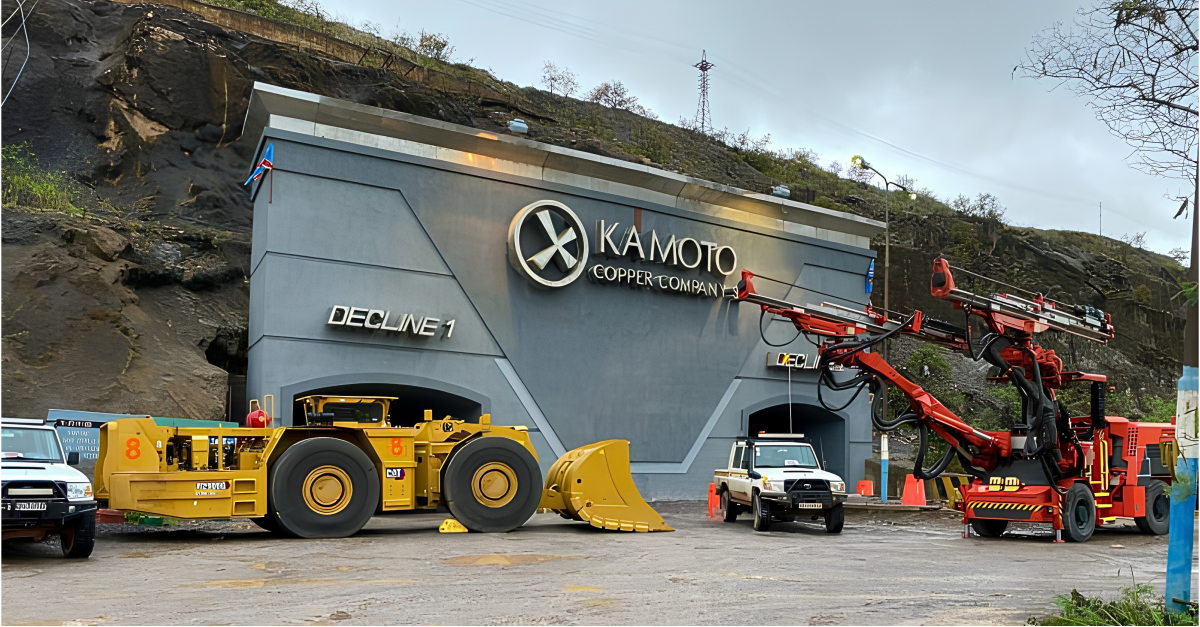

Kamoto Copper Company: As part of a major tax dispute, the Directorate General of Taxes (DGI) has proceeded with the temporary closure and sealing of the offices of Kamoto Copper Company (KCC), a subsidiary of the mining giant Glencore in the Lualaba province. This strong action illustrates the hardening stance of the Congolese authorities regarding the collection of state revenue and resource governance.
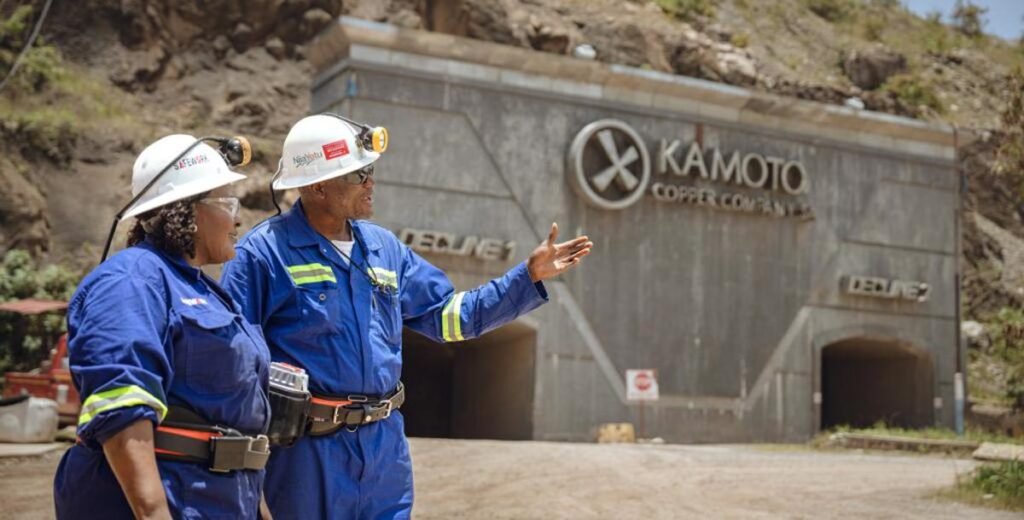
The Directorate General of Taxes (DGI) of the Democratic Republic of Congo has reached a decisive stage in handling the tax dispute opposing it to Kamoto Copper Company (KCC). The administrative facilities of this strategic mining company, a major subsidiary of the Swiss group Glencore located in Kolwezi, have been sealed by the tax administration.
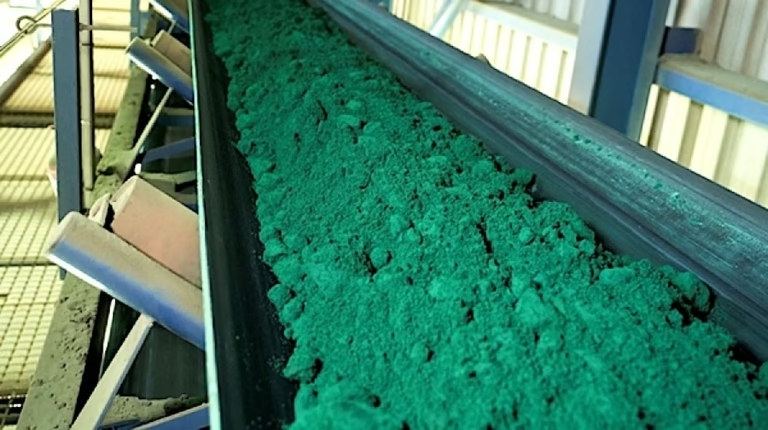
This coercive action by the DGI comes after a series of persistent disagreements concerning the calculation and payment of certain taxes and royalties owed by the mining giant. Kamoto Copper Company, which is among the largest producers of copper and cobalt in the DRC and globally, thus finds itself subject to a forced recovery procedure. For the Congolese executive, this demonstration of rigour marks a clear desire to optimise state revenue from the extractive sector and to impose strict respect for fiscal sovereignty on multinationals operating on its territory.
The stakes of this sealing go beyond the administrative framework. Disruptions of this nature at sites of such economic scale inevitably create a shockwave within the national mining sector. While Lualaba province concentrates a massive share of the country's foreign direct investment, the resolution of this crisis will be closely scrutinised by all mining operators and financial partners of the DRC. Although Glencore and the Congolese authorities generally favour dialogue to resolve these complex situations, the signal sent by Kinshasa demonstrates that no actor, regardless of its size, is exempt from respecting the legal obligations governing Congolese soil.